Understanding the Cross Electric Fence
A Cross Electric Fence, often referred to as a traditional or conventional tensioned electric fence, is a cornerstone of perimeter security and livestock management. Unlike hanging systems, a cross fence utilizes horizontal strands of high-tensile wire tensioned between sturdy posts. This design creates a rigid grid-like structure that serves as both a physical barrier and a powerful psychological deterrent.
The primary function of the cross electric fence is to enclose a specific area securely. It is the gold standard for cattle ranching, boundary marking, and protecting high-value agricultural assets. By delivering a controlled, non-lethal high-voltage shock upon contact, it teaches animals to respect the boundary, significantly reducing the likelihood of escapes or predator intrusions.
Structure and Engineering Excellence
The engineering behind a cross electric fence focuses on tension and conductivity. The structure is built to withstand environmental pressures while maintaining a constant electrical circuit across its entire length.
- Sturdy Post System: Utilizing treated timber, concrete, or galvanized steel posts set deeply into the ground to maintain wire tension.
- High-Tensile Horizontal Wires: Multiple strands of galvanized wire arranged horizontally at varying heights to prevent animals from crawling under or jumping over.
- Heavy-Duty Insulators: Designed to hold the tensioned wire away from the posts, ensuring that the electrical pulse remains within the wire and does not leak into the ground.
Key Benefits of Cross Electric Fencing
Cross electric fences offer several distinct advantages that make them a preferred choice for thousands of hectares of farmland globally:
- Superior Containment: Provides a physical barrier that is much harder for livestock to push through.
- Versatility: Customizable wire heights to suit different animals, from small goats to large cattle.
Challenges and Disadvantages
While highly effective, the cross electric fence does come with specific requirements and potential drawbacks compared to hanging systems.
| Feature | Cross (Traditional) Fence | Hanging Fence |
|---|---|---|
| Vegetation Maintenance | High (Needs constant clearing) | Minimal |
| Ground Contact Issues | Prone to short circuits | Rare |
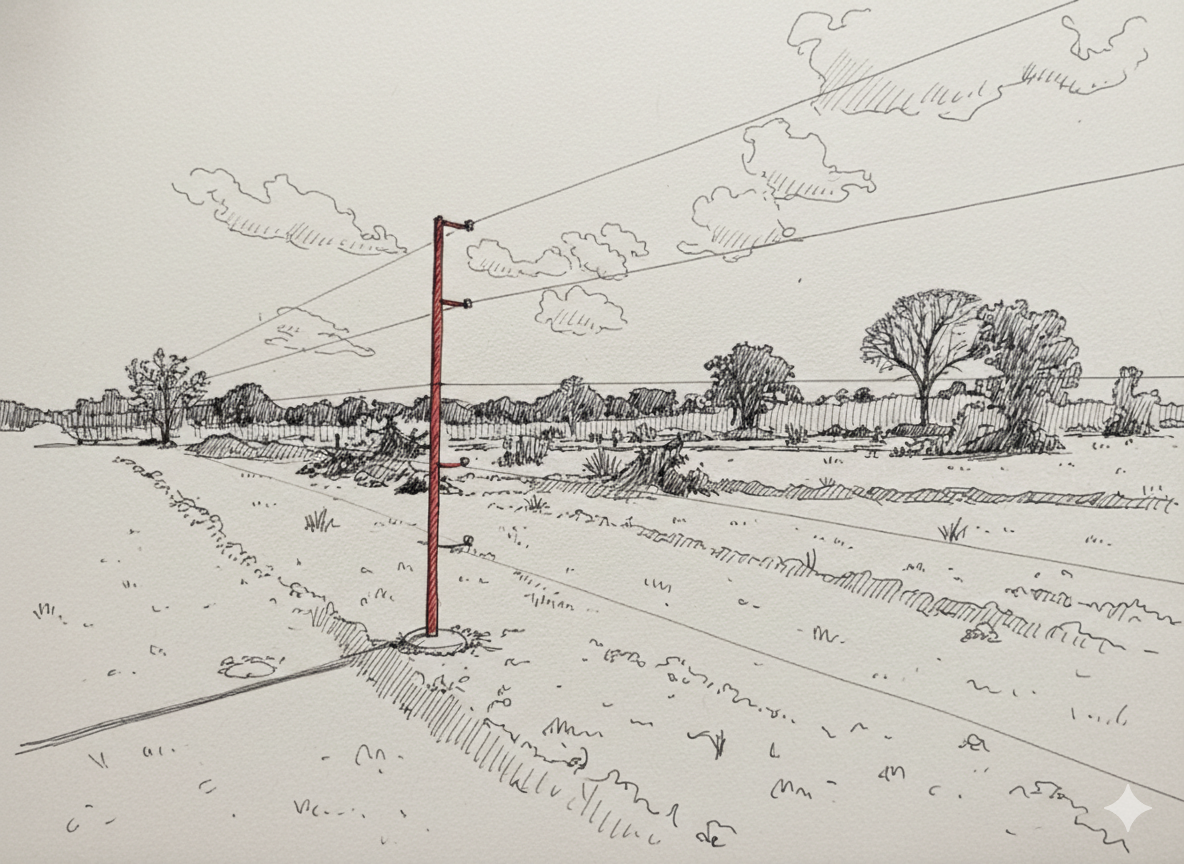
Structural design of a cross fence system.
Conclusion
The cross electric fence remains a reliable and powerful tool for land management and perimeter security. At Versells Lanka, we provide high-tensile solutions designed to withstand harsh climates, ensuring your peace of mind and the safety of your property.